

Fed's Barkin: Rate Hike Direction Clear, AI Risks Call for Caution on Policy Pace
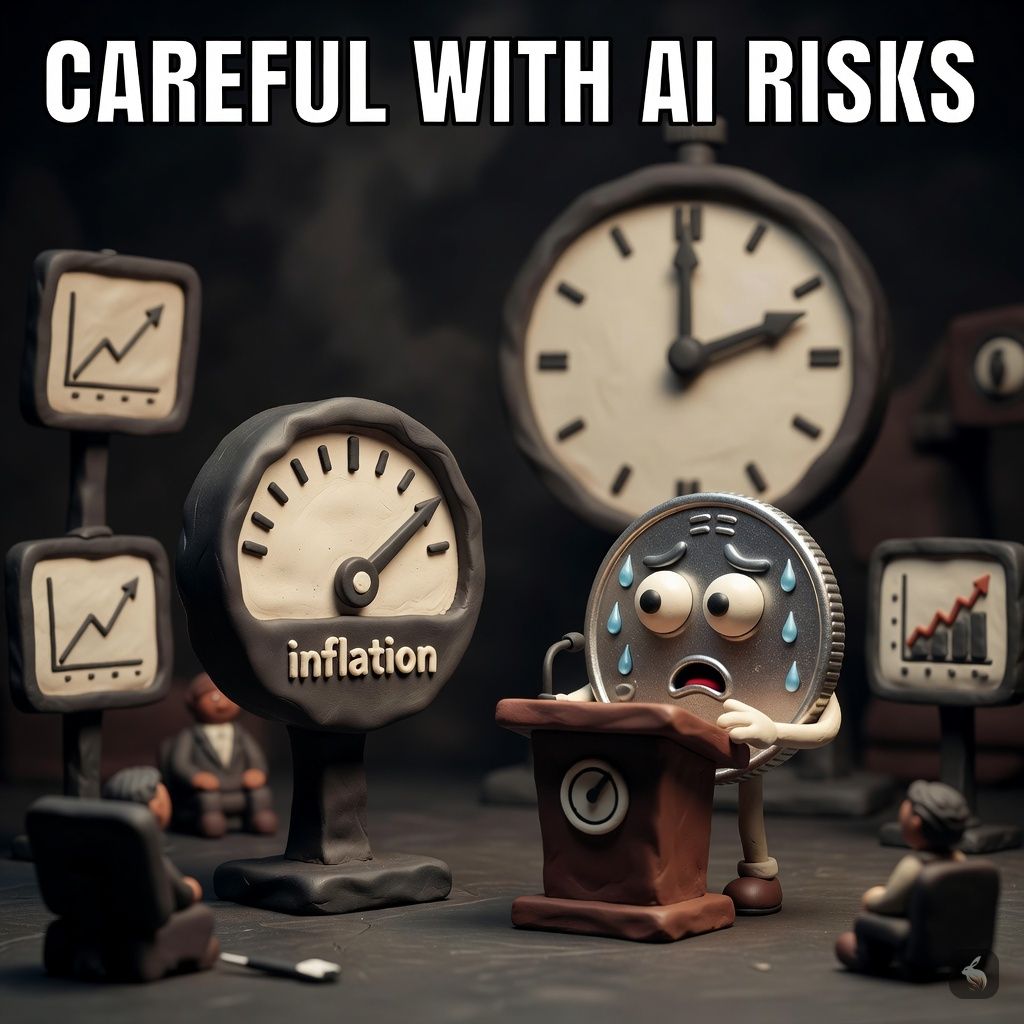
Richmond Fed President Tom Barkin said US demand remains healthy and inflation stubbornly high, making the direction of monetary policy relatively clear, but risks to the demand outlook mean the Federal Reserve should stay cautious in adjusting policy.
In remarks in South Carolina, Barkin signaled that rates still need to rise while stressing that the pace of hikes must be prudent. He spoke to the Greater Greer Chamber of Commerce and will become a voting member of the Federal Open Market Committee in 2027.
The Fed unanimously agreed in September to raise rates by 25 basis points, lifting the federal funds rate target range to 3.75% to 4%; in October it voted 10-2 to hold rates steady, saying more information was needed to judge the appropriate policy level.
Barkin said inflation has been near or above the Fed's 2% target for close to six years, and that risks to the dual mandate are currently concentrated on the inflation side. Corporate profits are strong, consumers continue to spend, and the unemployment rate has stayed at or below 4.5% for a record stretch.
According to The Wall Street Journal, Barkin believes resilient demand and broad cost increases are together pushing prices higher. Businesses tell the Fed that cost pressures persist and that they intend to pass on some costs they had previously absorbed.
He expects consumer spending to remain resilient through year-end, with the market widely expecting a strong holiday shopping season, but how long the strong momentum can last remains a question.
Chicago Fed President Goolsbee said the same day in Chicago that inflation pressures are spreading, with some service prices not closely tied to energy or tariffs also rising. He said AI data center construction is starting to show characteristics of traditional demand overheating, which central banks usually need to respond to forcefully.
Barkin focused more on how the AI boom could change demand. If the technology underperforms expectations, business investment could contract, stock prices could fall, and consumption supported by asset appreciation could also weaken.
Another risk is that AI outperforms expectations and displaces more workers than previously estimated, which could also weigh on spending. He said both scenarios would push the Fed to turn its attention to the full employment goal.
Markets still lean toward a December rate hike. When Bloomberg reported on Monday, trader pricing showed about an 80% probability of a December hike. The Fed's next policy meeting is set for December 8-9, and will be preceded by a jobs report and more inflation data.
Russell Investments senior investment strategist BeiChen Lin said that after a strong jobs report and other data showing economic resilience, the Fed will have little patience on inflation.
AI-translated summary. Check important details with the original source.