

"Big Short" Michael Burry on AI stock plunge: I warned you all along
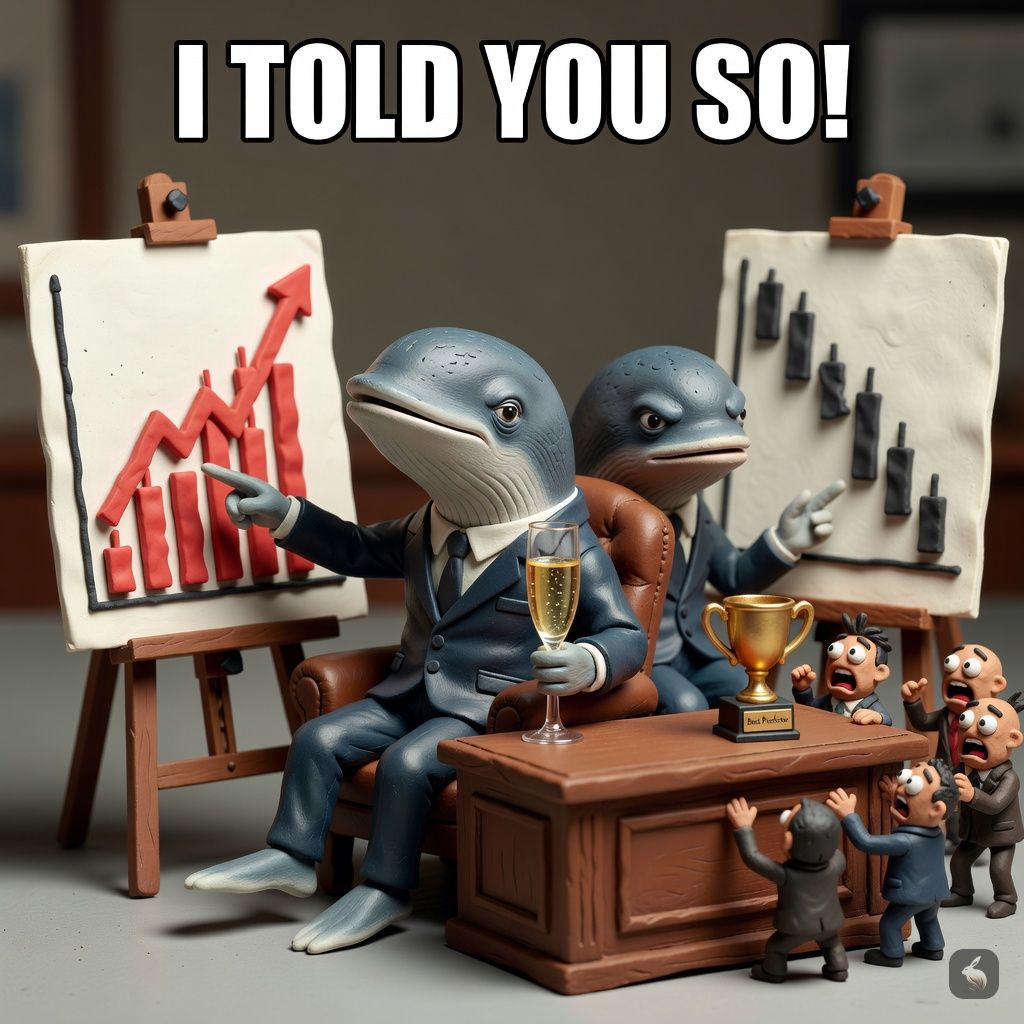
On November 21, according to IThome, "Big Short" investor Michael Burry posted on X: "CoreWeave, Nebius, Nvidia, and semiconductor stocks, I tried to warn everyone. I didn't tell you to short, but I provided enough information for you to decide to sell stocks."
On November 11, the day before Jensen Huang resigned as Nvidia CEO, Burry wrote on Substack urging shareholders to sell Nvidia stock. He predicted that with the departure of Huang, who frequently facilitated deals, Nvidia's growth would slow and its profit margins would narrow. On November 12, Burry expanded his warning to Nvidia partners including Nebius and CoreWeave. Such companies are called "neoclouds," mainly building data centers to rent out the right to use Nvidia chips and other AI infrastructure to customers.
Burry pointed out that Nvidia's market influence and generous support have greatly benefited these companies, but this situation appears to have fundamentally changed. As early as August 12, Burry asserted: "Nebius is the picture of a boom topping out." Nebius closed at $259 that day (note: current exchange rate about 1,733 yuan), 62% higher than its November 19 closing price.
A week earlier, on August 6, Burry said he could not resist wanting to short Nebius and Oracle, believing shorting both companies would be extremely easy. This year, he also shorted Nvidia, CoreWeave and a semiconductor index. Burry stopped running a hedge fund a year ago and turned to sharing personal investment views via Substack. Since then, he has consistently been openly skeptical of the AI stock surge.
As a contrarian investor, Burry was one of the few who successfully foresaw the collapse of the mid-2000s housing bubble and profited from it. He has consistently warned that AI companies invest too much money in rapidly depreciating assets such as chips and data centers. Burry has also criticized AI companies for aggressive accounting practices, circular financing deals, and carrying dangerous levels of debt and off-balance-sheet liabilities.
AI-translated summary. Check important details with the original source.