

Dalio warns that great technology does not equal a great investment
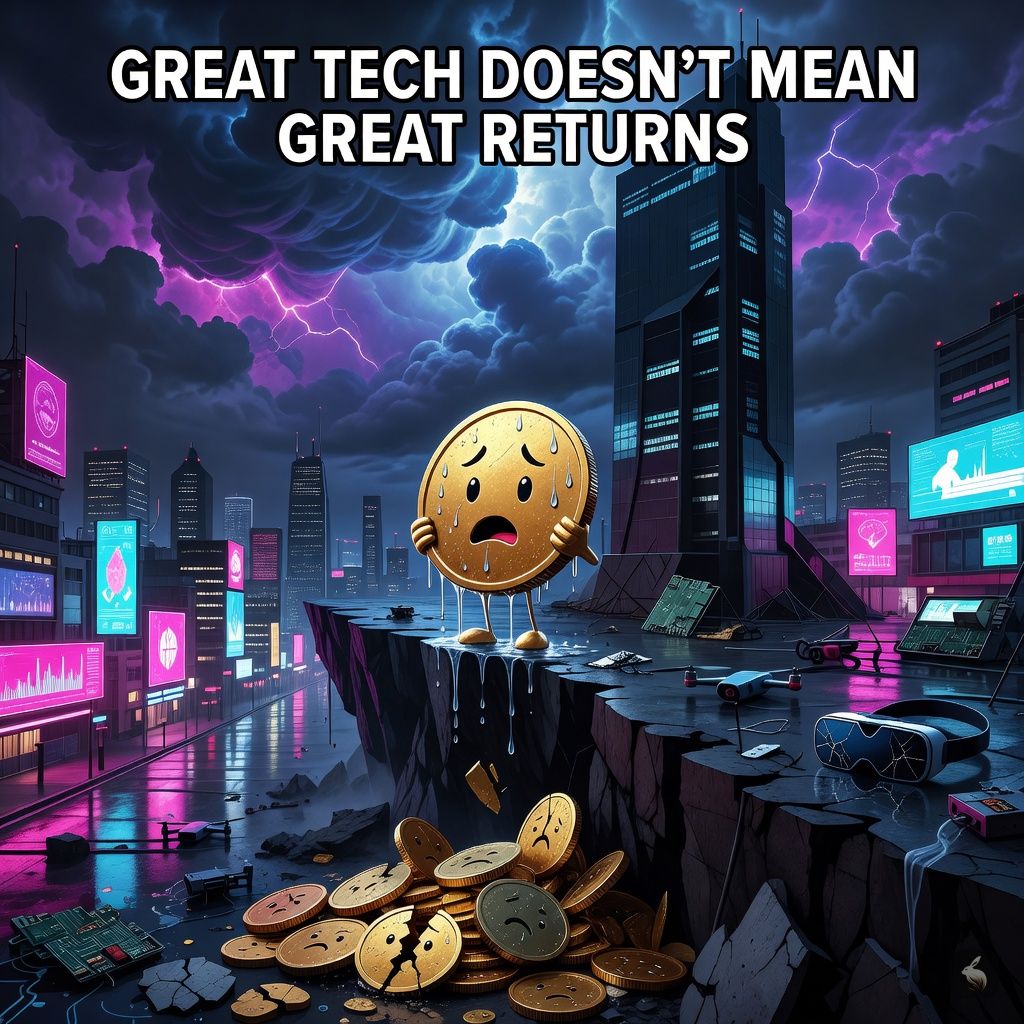
On November 24, Bridgewater founder Ray Dalio warned again that people habitually equate disruptive new technology with good investment opportunities, and that this is the core driver of every financial bubble in history.
Dalio said the trillion-dollar valuations of Anthropic and SpaceX essentially create paper wealth rather than disposable cash, and the two are fundamentally different. "A company raises $50 million at a $1 billion valuation, and $1 billion in value appears on paper, and you may be called a billionaire," he said. "But until you sell the asset and turn it into cash, you cannot spend that wealth." Once holders of assets are forced to cash out, the bubble begins to burst. In his view, the core mechanism of a bubble is not asset prices deviating from the discounted present value of future cash flows, but "people mistaking great new technology for a great investment." He cited the 1920s as an example: electricity, cars, airplanes, movies and radio emerged at the same time, with an impact on daily life even greater than today's AI transformation. It was this faith in technology that drove large-scale leveraged investment and ultimately produced a bubble and crash, and even though the companies involved did achieve commercial success in the following decades, early investors still could not avoid losses.
"Even companies with good cash flow can experience bubbles," he said. "The key is not whether the technology is good, but that assets are concentrated in the hands of people who cannot withstand volatility and lack the ability to hold." He noted that investors who buy assets with borrowed money, once facing repayment pressure or rising interest rates, are forced to sell assets for cash, triggering a market stampede. As for the current environment, Dalio believes markets, the economy and even social narratives have become highly dependent on the single theme of AI, which is itself a typical feature of bubble concentration.
AI-translated summary. Check important details with the original source.